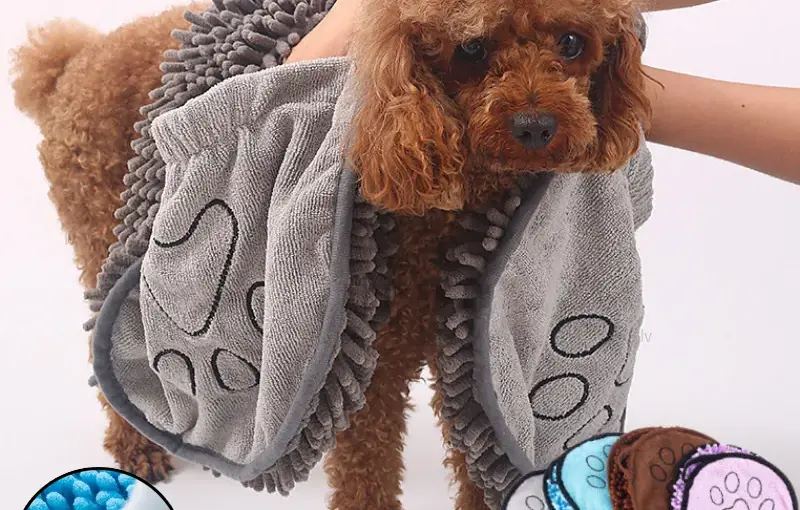
Dog grooming is an essential aspect of pet care that goes beyond mere aesthetics; it plays a vital role in the overall health and well-being of your dog. Regular Dog Grooming helps to keep your dog’s coat clean, reduces shedding, and prevents skin issues. It also provides a perfect opportunity for you to check for any abnormalities such as lumps, bumps, or skin irritations. In this comprehensive guide, we will explore the importance of grooming, the problems that arise from matted hair, and how to choose the right brushes for both long-haired and short-haired dogs. By the end of this article, pet owners will be armed with the knowledge needed to maintain their dog’s grooming routine effectively.
Table of Contents
ToggleCommon Problems with Matted Hair
Causes of Matted Hair
Matted hair is a common problem for many dog breeds, in dog grooming particularly those with long, fluffy coats. These tangles can form due to various reasons. One of the primary causes is a lack of regular brushing; when dead hair and dirt accumulate between brushing sessions, they can intertwine with the healthy hair, leading to mats. Additionally, environmental factors such as humidity and moisture can exacerbate matting. For instance, if a dog swims frequently without being thoroughly dried, the damp fur combined with dirt can lead to matting.
Another contributing factor to matting is the dog’s activity level. Dogs that love to roll in grass, mud, or dirt are more prone to tangles. Moreover, certain breeds are naturally more susceptible to matting due to their coat type. Breeds like Poodles, Maltese, and Shih Tzus require more frequent grooming because their hair continues to grow without shedding, leading to tangles and knots.

Effects of Matted Hair on Dogs
Matted hair can have several negative effects on dogs. Firstly, severe matting can restrict movement and cause discomfort. These mats can pull on the skin, leading to pain and irritation, which may cause your dog to become anxious or aggressive during grooming. Additionally, mats can trap moisture and dirt against the skin, creating a breeding ground for bacteria and leading to skin infections.
In extreme cases, mats can lead to more serious health issues, including hot spots or even conditions like pyoderma, which is a bacterial infection of the skin. Therefore, addressing matting issues promptly is crucial to ensure your dog remains healthy and comfortable.
Signs Your Dog Has Matted Hair
Recognizing the signs of matted hair is vital for every dog owner. Some common indicators include visible tangles or knots in the coat, particularly behind the ears, under the arms, or around the tail. If brushing becomes increasingly difficult or your dog is excessively biting or scratching at certain areas, these may be signs of painful mats. Additionally, if you notice a change in your dog’s behavior during grooming—such as whining, yelping, or trying to escape—it may be due to discomfort caused by mats.
Another tell-tale sign of matted hair is the presence of skin issues such as redness, irritation, or foul odors emanating from the coat. If you encounter any of these symptoms, it is essential to address them quickly to prevent further complications.
Choosing the Right Tool for Long-Haired Dogs
Types of Dog Brushes for Long Hair
When it comes to grooming long-haired dogs, choosing the right brush is critical for effective detangling and maintenance. Several types of brushes are specifically designed for long coats. The slicker brush is widely regarded as one of the best options as it features fine, densely packed wires that can penetrate the coat and remove tangles without damaging the skin.
Another excellent tool is the pin brush, which has rounded tips to avoid skin irritation. This type of brush is ideal for removing loose hair and debris, promoting a healthier coat. Additionally, a wide-toothed comb can work wonders for detangling stubborn mats and is often used in conjunction with other brushes for optimal results.

Features to Look for in Long-Haired Dog Brushes
When selecting a brush for your long-haired dog, consider several features. First, check the bristle type; soft bristles are suitable for delicate areas like the face, while stiffer bristles work better on thicker fur. Additionally, look for ergonomic handles that provide a comfortable grip, as grooming can be a lengthy process. A brush with a self-cleaning feature can also be advantageous, making it easier to maintain the brush’s effectiveness.
Lastly, consider the size and shape of the brush. A brush that fits comfortably in your hand will allow you to groom your dog more efficiently. Look for brushes that are specifically designed for your dog’s size and coat type for the best results.
Grooming Techniques for Long-Haired Dogs
Proper grooming techniques are essential for maintaining a long-haired dog’s coat. Begin by establishing a grooming routine, aiming to brush your dog at least a few times a week. Start with a slicker brush to remove tangles and knots, working gently from the roots to the tips of the hair. It’s crucial to be patient and avoid pulling as this can cause pain and anxiety for your dog.
For areas with dense fur, such as the underbelly and behind the ears, be extra cautious. After brushing, use a wide-tooth comb to double-check for any missed mats or tangles. Finally, always remember to reward your dog with treats or praise during and after grooming sessions to create a positive association with the process, making it easier to maintain a regular grooming schedule.
Selecting the Right Tool for Short-Haired Dogs
Best Dog Brushes for Short Hair
Short-haired dogs may not require as extensive grooming as their long-haired counterparts, but they still benefit from regular brushing to remove loose hair and dirt. The most effective brushes for short-haired dogs include rubber grooming mitts and bristle brushes. Rubber mitts are great as they help remove loose hair while also providing a gentle massage, which many dogs enjoy.
Bristle brushes can help distribute natural oils throughout the coat, promoting a shiny appearance. Additionally, tools such as the hound glove or grooming rake can efficiently remove dead hair and debris while being less abrasive on the skin.

Essential Features for Short-Haired Dog Brushes
When choosing a brush for short-haired dogs, prioritize features that promote comfort and effectiveness. Look for brushes with soft bristles to avoid irritating the skin, especially in sensitive areas. A comfortable grip is also essential, as grooming sessions can last longer than anticipated. Moreover, consider a brush that is easy to clean, as short-haired dogs tend to shed more, resulting in a buildup of hair in the brush.
Another important aspect is the size of the brush; ensure that it is appropriate for your dog’s size, as larger brushes may be cumbersome for small breeds. Ultimately, the right brush should make the grooming process easier for both you and your dog.
Grooming Techniques for Short-Haired Dogs
Grooming short-haired dogs is relatively straightforward but should still be done consistently. Start by using a rubber glove or mitt to gently rub your dog’s coat, which will help lift and remove loose hair. Follow up with a bristle brush to smooth out the coat and distribute natural oils. It’s beneficial to establish a grooming routine, brushing your dog at least once a week to minimize shedding and maintain coat health.
Remember to reward your dog during and after grooming sessions to create a positive experience. Regular grooming not only helps keep your dog looking clean and tidy but also strengthens the bond between you and your pet.
Maintenance and Care for Dog Brushes
Cleaning Your Dog Brush
Regular maintenance of grooming tools is crucial for their effectiveness and longevity. Cleaning your dog brush should be a frequent part of your grooming routine. Start by removing any hair trapped in the bristles using your fingers or a comb. It’s recommended to do this after every use to keep the brush in optimal condition.
For a deeper clean, wash the brush with warm, soapy water. Allow it to soak for a few minutes to loosen any debris or product buildup, then scrub with an old toothbrush or a similar tool. Rinsing thoroughly and letting the brush dry completely before using it again is essential to prevent mold or bacteria growth.
Storing Your Dog Brush
Proper storage of your dog brush can also prolong its life. Store brushes in a cool, dry place to prevent damage to the bristles. Avoid leaving brushes in damp areas, as moisture can lead to mold or mildew. If possible, keep brushes in a designated grooming bag or container to protect them from dirt and dust.
Additionally, consider keeping separate brushes for different types of grooming (e.g., one for brushing and another for de-shedding) to reduce wear and tear. By taking care of your grooming tools, you ensure that they remain effective and hygienic for your pet.
Conclusion
In conclusion, proper grooming is essential for maintaining your dog’s health and well-being, especially when it comes to preventing matting and choosing the right grooming tools. Whether your dog has long hair or short hair, knowing the best brushes and techniques will make the grooming process smoother and more enjoyable for both you and your dog. Regular grooming not only reduces shedding and matting but also reinforces the bond you share with your furry companion.
By investing time in understanding the grooming needs of your dog and the tools required, you can ensure a healthy coat and a happy dog. Remember, grooming should be a positive experience that strengthens your relationship with your pet.
FAQs
The frequency of grooming depends on your dog’s coat type. Long-haired dogs generally require grooming several times a week, while short-haired dogs may only need brushing once a week.
For severe mats, it is advisable to consult a professional groomer. Attempting to remove them yourself can cause pain to your dog.
It is not recommended to use human brushes on dogs. Dog grooming brushes are specifically designed for their coat type and skin sensitivity.
Signs include redness, swelling, bumps, or an unusual odor. If you notice any of these signs, consult your veterinarian promptly.
Use treats, praise, and a calm demeanor to create a positive grooming environment. Gradually introduce your dog to grooming tools and techniques to help them adjust.
Continue the journey at our follow up post at From Fight to Flawless:


